Durable Concrete Driveways and Patios That Enhance Your Property
When your property needs reliable driveways or beautiful outdoor living patios, you need experienced contractors who deliver surfaces combining durability, proper installation, and attractive finishes that serve you well for decades. Gunite Construction & Rnvtn has installed and repaired concrete driveways and patios for 35 years, creating functional surfaces that withstand vehicle loads, weather exposure, and constant use while enhancing your property's curb appeal and value. Our specialists handle everything from basic utilitarian driveways to elaborate decorative patios, always emphasizing the proper base preparation, drainage, and installation techniques that prevent the premature cracking, settlement, and surface deterioration requiring expensive repairs or early replacement.
Problem recognition
Our proven process
We've streamlined our approach to deliver exceptional results efficiently and transparently
Quality in every service
- Licensed and qualified specialists
- Complete warranty for all services
- Affordable prices for any budget
Causes of Concrete Problems

Why Choose Gunite Construction As A Trusted General Contractor
As a family-owned and operated general contractor with 35 years of continuous service, we bring unmatched regional knowledge and construction expertise to every project.
- Local company with years of experience
- State-certified, fully licensed and insured
- Expert knowledge of soil conditions and coastal construction challenges
Our Concrete Solutions
Creating Surfaces That Perform and Enhance Your Property
Successful concrete driveways and patios result from thoughtful design addressing functional requirements, aesthetic preferences, and site-specific conditions. Understanding key design considerations helps property owners make informed decisions creating concrete that serves them well while enhancing property appearance and value. Gunite Construction & Rnvtn’s experience with residential concrete work provides guidance ensuring your project balances practical needs with visual appeal through appropriate design choices.
Proper sizing ensures driveways and patios function adequately for intended use. Driveway width affects usability—single-car drives need 10-12 feet, two-car drives 20-24 feet, with extra width at garage entries easing maneuvering. Length considerations include adequate approach angles from streets, space for vehicle turnarounds on properties lacking through access, and parking areas beyond garages for guest vehicles. Undersized driveways frustrate daily use, while excessive size wastes money and consumes yard space better used otherwise.
Patio sizing depends on intended use—dining areas need space for tables and comfortable circulation, conversation areas accommodate furniture groupings, and outdoor kitchens require clearances around grills and work surfaces. Minimum 10×12 feet accommodates intimate spaces, 12×16 feet suits typical family use, while elaborate outdoor rooms may span 20×30 feet or larger. Layout planning addresses how spaces connect to homes, integrate with landscapes, and serve various functions. Our concrete work experience helps determine appropriate sizing based on household needs, entertaining patterns, and how you’ll actually use outdoor spaces.
Slope and Drainage Design
Proper drainage prevents water problems that damage concrete and create safety hazards. Driveways require minimum 1-2% slope directing water away from garages and toward appropriate drainage points—streets, drainage swales, or yard areas where runoff doesn’t create problems. Driveways must slope away from foundations preventing water intrusion into structures. Patios similarly need drainage directing water away from homes, though flatter slopes suffice since vehicle traffic isn’t a concern.
Base preparation includes drainage layers allowing groundwater to escape rather than creating pressure beneath concrete causing settlement. Site grading directs water around rather than under concrete, and proper base materials allow drainage preventing saturation. Poor drainage causes most concrete problems—settlement from eroded base materials, surface deterioration from persistent moisture, and safety hazards from ice or algae in perpetually damp areas. We ensure your concrete driveway repair and installation projects incorporate drainage preventing these common issues.
Thickness and Reinforcement Requirements
Concrete thickness depends on expected loads and soil conditions. Standard residential driveways use 4-inch concrete adequate for cars and light trucks, while properties accommodating RVs or heavy vehicles need 5-6 inch thickness. Patios typically use 4 inches sufficient for pedestrian traffic and outdoor furniture. Inadequate thickness causes premature failure as concrete can’t withstand loads without proper structural capacity.
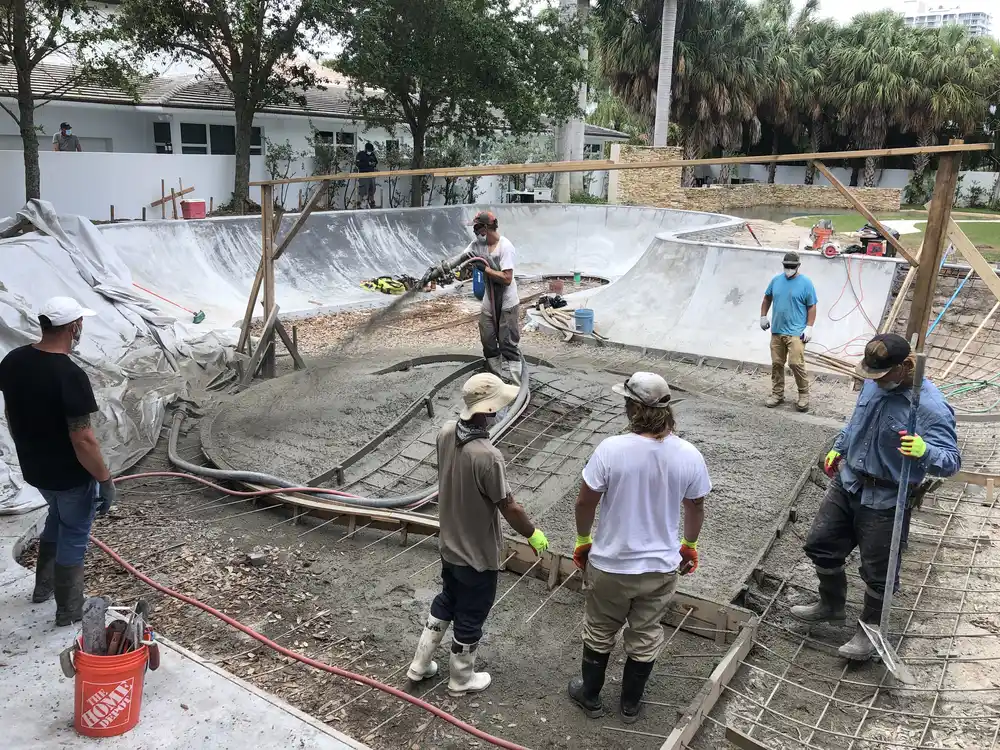
Reinforcement options include wire mesh providing basic crack control, rebar offering superior strength for heavy loads or challenging conditions, and fiber reinforcement distributed throughout concrete. Control joints cut or formed in fresh concrete create weakened planes where stress cracks follow rather than appearing randomly. Proper reinforcement and jointing prevent wide, unsightly cracks plaguing under-engineered concrete, extending service life and maintaining attractive appearance through decades of use. Our residential concrete work includes appropriate thickness and reinforcement for your specific applications ensuring durability.
Finish Options and Aesthetic Choices
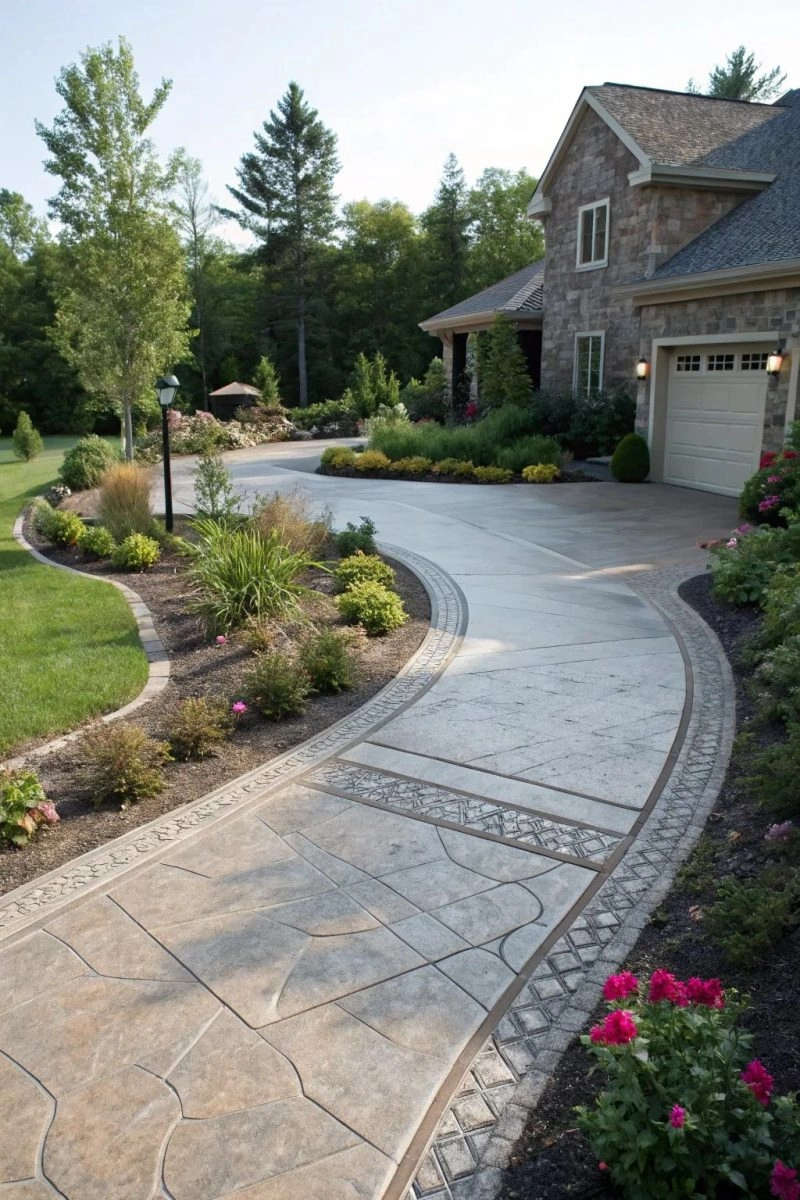
Concrete finishes range from economical broom texture to elaborate decorative options. Standard broom finish provides slip resistance at lowest cost—functional and durable if not decorative. Exposed aggregate showcases beautiful stones within concrete providing attractive appearance with excellent traction. Stamped concrete creates upscale appearances mimicking stone, brick, or slate transforming utilitarian surfaces into architectural features enhancing curb appeal significantly.
Color options through integral pigments or surface-applied hardeners move beyond plain gray, with earth tones complementing most homes while bold colors suit contemporary architecture. Borders in contrasting colors or patterns add visual interest, while combining finishes—stamped borders with standard centers—balances aesthetics with budget. We help you select finishes matching your home’s style, your budget, and maintenance expectations. The concrete work near me services we provide include finish consultations ensuring results you’ll love throughout your concrete’s decades of service.
Maintenance and Longevity Planning
Concrete driveways and patios require minimal maintenance but benefit from appropriate care extending service life. Sealing provides essential protection against moisture, staining, and freeze-thaw damage—initial sealing within first year, then resealing every 3-5 years depending on traffic and exposure. Regular cleaning removes dirt and organic matter before staining occurs, while prompt attention to oil spills prevents permanent discoloration.
Winter maintenance in freezing climates requires limiting de-icing salt, choosing sand or alternatives when traction is needed, and promptly removing snow preventing repeated freeze-thaw cycles. Avoiding excessive loads beyond design capacity, controlling landscaping preventing roots from undermining concrete, and maintaining proper drainage preserving base materials all contribute to extended concrete life. Our concrete driveway repair and installation services include maintenance guidance helping you protect investments through simple ongoing care requiring minimal time but providing significant benefits preventing premature deterioration and expensive repairs.
Awards & Recognition
Trusted by thousands of clients and recognized by industry leaders for excellence in service and innovation.








What people say about our services

Laura Watts
Reasonable price
Gunite Construction has been our go-to contractor for both small and large projects, from remodeling to building houses. Their exceptional work is highly recommended.
Services: Remodeling, Drywall installation

Matthew Anthony
Great priceGunite Construction handled a rehab on our condo, they made themselves available for an emergency situation handled the work professionally and charged an extremely fair price. Would highly recommend to anyone for construction needs.

Rodrigo Morales
Great price
This company resolved many issues I had after buying my old house, which needed patio repaving and a wall repair. They were very honest and fast with their work. I totally recommend them to anyone who needs a company that truly knows how to do their job well.
Services: Remodeling, Drywall installation

Henry Watkins
Reasonable price
Ran by some of the most hardworking, honest, and trustworthy people. Great company to work with !
Services: Remodeling
Our Advantages
- Clear timeline and deadlines
- Modern equipment and technology
- Transparent pricing with no hidden fees
Frequently Asked Questions
What thickness does a concrete driveway need?
Standard residential concrete driveways require 4-inch thickness for cars and light trucks. Properties accommodating RVs, heavy trucks, or equipment need 5-6 inches. Thickness depends on soil conditions—unstable soils may require thicker concrete or additional base. Proper thickness includes adequate reinforcement through wire mesh or rebar. Our contractors assess your vehicle loads and soil conditions recommending appropriate thickness ensuring your driveway withstands expected use without premature failure.
Can you install concrete driveways or patios in winter?
Concrete installation requires temperatures above 40-50°F for proper curing, limiting winter work in cold climates. However, some concrete work can proceed using specialized techniques when necessary. We typically recommend scheduling installations during moderate weather ensuring optimal conditions. For projects requiring off-season work, we use appropriate methods including cold-weather mixes and insulated blankets ensuring quality despite challenging conditions.
How do you prevent cracks in concrete driveways and patios?
Crack prevention includes proper base preparation with adequate compaction, appropriate thickness and reinforcement for expected loads, control joints creating weakened planes where stress cracks follow, and proper curing maintaining moisture during strength development. No method eliminates all cracks—concrete naturally develops some—but proper installation minimizes cracking and controls where it occurs. Our concrete work includes all prevention measures ensuring optimal performance with minimal cracking through decades.
Can existing concrete driveways or patios be resurfaced?
Yes, structurally sound concrete is excellent for resurfacing with decorative overlays updating appearance at lower cost than replacement. Existing concrete must be stable without major cracking or settlement. We apply stamped overlays, color treatments, or textured finishes transforming plain or worn concrete into attractive surfaces. This approach saves 50-70% versus replacement while achieving similar aesthetic results when underlying concrete remains sound structurally.
How do you maintain concrete driveways and patios?
Maintenance includes regular cleaning with mild detergent, sealing every 3-5 years providing moisture and stain protection, promptly cleaning spills preventing permanent staining, and addressing cracks or damage before worsening. Avoid harsh chemicals and excessive de-icing salt. Maintain proper drainage ensuring water flows away from surfaces. Most homeowners find concrete maintenance less demanding than alternatives. Our installations include maintenance guidelines helping you protect investments through appropriate ongoing care.
What's better for driveways: concrete or asphalt?
Concrete costs more initially but lasts 30-50+ years versus asphalt's 15-20 years, requires less maintenance, and offers decorative options asphalt can't match. Asphalt costs less upfront and repairs more easily. Total lifecycle costs often favor concrete through avoided replacement and lower maintenance despite higher initial investment. Climate affects performance—concrete excels in hot climates where asphalt softens. Our contractors help evaluate options based on budget, preferences, and long-term plans.
Can you match new concrete to existing driveways or patios?
Perfectly matching new to aged, weathered concrete is challenging due to how concrete changes over time. However, we closely approximate colors through integral pigments or treatments, use matching textures, and sometimes employ staining creating intentionally varied appearances where new and old blend naturally. Many homeowners choose replacing or resurfacing entire visible areas rather than attempting matches, or deliberately use contrasting colors making additions intentional design features.
Serving Communities Throughout South Florida
- Cooper City
- Dania Beach
- Davie
- Fort Lauderdale
- Hollywood
- Lauderhill
- Miramar
- Pembroke Pines
- Plantation
- Southwest Ranches
- Sunrise
- Weston
Projects gallery