Transform Worn Concrete with Professional Resurfacing
When concrete surfaces show wear, minor damage, or simply look dated, concrete resurfacing provides dramatic transformation at 50-75% less than replacement cost. Gunite Construction & Rnvtn has provided expert concrete resurfacing services for 35 years, restoring driveways, patios, pool decks, and commercial floors to like-new condition while adding years of service life. Our specialists apply advanced overlay systems that bond permanently to existing concrete, creating renewed surfaces that resist wear, prevent moisture intrusion, and dramatically improve appearance—all while your structurally sound concrete remains in place avoiding the expense and disruption of demolition and replacement.
When Resurfacing Provides the Right Solution
Our proven process
We've streamlined our approach to deliver exceptional results efficiently and transparently
Quality in every service
- Licensed and qualified specialists
- Complete warranty for all services
- Affordable prices for any budget
Causes of Concrete Surface Deterioration
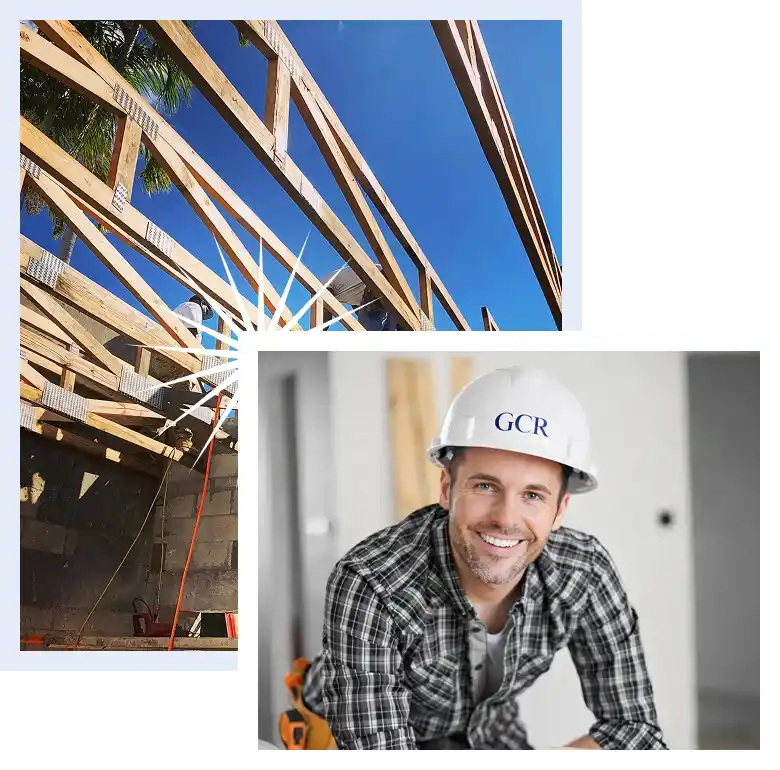
Why Choose Gunite Construction As A Trusted General Contractor
As a family-owned and operated general contractor with 35 years of continuous service, we bring unmatched regional knowledge and construction expertise to every project.
- Local company with years of experience
- State-certified, fully licensed and insured
- Expert knowledge of soil conditions and coastal construction challenges
Our Concrete Resurfacing Solutions
Creating Beautiful, Durable Surfaces Through Professional Application
Successful concrete resurfacing depends on proper surface preparation, appropriate material selection, and skilled application techniques that ensure permanent bonding and long-lasting performance. Understanding the resurfacing process, available design options, and what separates professional results from premature failures helps property owners appreciate the value of experienced contractors. Gunite Construction & Rnvtn’s 35 years of concrete resurfacing experience means we properly assess suitability, prepare surfaces correctly, and apply materials achieving the permanent bonding and attractive finishes that deliver satisfaction and performance measured in decades.
Concrete resurfacing success absolutely depends on thorough surface preparation creating the clean, sound substrate necessary for permanent overlay bonding. We begin by pressure washing surfaces removing all dirt, oil, previous sealers, and loose material. Next comes mechanical preparation—grinding, scarifying, or shot-blasting depending on surface condition—creating the profile necessary for mechanical bonding. We repair structural cracks if present, fill large surface voids, and ensure surfaces are sound, clean, and ready for overlay application. This preparation requires 1-2 days for most residential projects but determines whether resurfacing bonds permanently or delaminates prematurely.
Inadequate surface preparation causes most resurfacing failures—overlays applied to dirty, sealed, or weak surfaces simply don’t bond properly regardless of overlay material quality. We never skip preparation steps or accept compromised surfaces, even when it means additional time or addressing underlying concrete problems before resurfacing proceeds. Our commitment to proper preparation explains why our concrete resurfacing projects perform for decades while improperly prepared resurfacing fails within months or years, wasting homeowners’ investments through shortcuts that doom projects before overlay application even begins.
Design Options: From Simple to Spectacular
Concrete resurfacing offers remarkable design flexibility transforming plain concrete into attractive features complementing your property. Color options range from natural stone tones and earth colors to bold contemporary shades, with techniques including integral pigments, surface-applied stains, and highlighting creating depth and variation. Pattern choices include realistic stone stamps, geometric tiles, custom borders, and creative combinations limited only by imagination. Texture varies from smooth and refined to pronounced and slip-resistant, selected based on location, use, and aesthetic preferences.
We work collaboratively during design selection, showing samples and photos of completed projects helping you visualize possibilities. Our experience guides recommendations about what patterns and colors work well in specific applications—some designs suit formal spaces while others fit casual outdoor living areas better. We consider your property’s architectural style, existing hardscape materials, and personal preferences developing resurfacing designs that enhance your property’s appearance while suiting your lifestyle and maintenance expectations. This design consultation ensures your concrete resurfacing delivers aesthetic results you’ll love while meeting practical performance requirements.
Application Process and Timeline Expectations
After preparation, concrete resurfacing application proceeds relatively quickly. We apply bonding agents ensuring optimal adhesion between existing concrete and overlay material, then place overlay material by trowel, spray, or stamping as appropriate to specified finish. Skilled craftsmen work efficiently creating uniform thickness, smooth transitions, and attractive finishes. Coloring and texturing occur while material remains workable, with final sealing following after appropriate curing. Most residential resurfacing projects complete in 2-4 days depending on area size and finish complexity, with surfaces ready for light traffic within 24-48 hours and full use after 7 days.
Weather affects scheduling—temperature extremes limit application windows, and precipitation delays work since surfaces must be dry for proper bonding. We plan projects during favorable weather when possible, monitoring forecasts and adjusting schedules as needed. The relatively fast application process minimizes disruption compared to concrete replacement requiring weeks from demolition through curing, making resurfacing attractive for businesses and homeowners unable to sacrifice extended access to concrete surfaces. Our efficient process respects your time while never compromising the careful application that ensures lasting performance.
Maintenance and Longevity of Resurfaced Concrete
Properly applied concrete resurfacing lasts 10-20+ years depending on traffic, exposure, and maintenance. We seal all resurfacing projects with high-quality sealers protecting against moisture intrusion, staining, and wear. Maintenance requirements are minimal—regular cleaning with mild detergent, periodic resealing every 2-5 years depending on exposure, and promptly addressing any damage preventing progressive deterioration. Resurfaced concrete actually requires less maintenance than bare concrete because sealed, protected surfaces resist staining and weathering more effectively than porous untreated concrete.
The longevity of concrete resurfacing depends significantly on original surface preparation quality and overlay material selection. Our commitment to proper preparation and premium materials ensures your resurfacing investment delivers maximum service life. We provide maintenance recommendations specific to your resurfacing type and exposure conditions, helping you protect your investment through appropriate care. Most clients find resurfaced concrete performing beautifully for 15-20 years before requiring attention, dramatically extending concrete service life at a fraction of replacement cost while maintaining attractive appearance enhancing property value throughout that period.
Cost-Benefit Analysis: Resurfacing vs. Replacement
Concrete resurfacing typically costs $3-$8 per square foot depending on finish complexity, compared to $8-$20+ per square foot for complete replacement including demolition and disposal. For a 500 square foot patio, resurfacing costs $1,500-$4,000 versus $4,000-$10,000+ for replacement—representing substantial savings while achieving similar visual results and adding decades of service life. The shorter timeline and less disruption provide additional value beyond direct cost savings, making resurfacing extremely attractive when underlying concrete remains structurally sound.
Return on investment includes avoided replacement costs, improved appearance increasing property value, and extended concrete service life preventing premature replacement. Many homeowners preparing properties for sale choose resurfacing because it addresses aesthetic concerns buyers notice without the major expense of replacement, typically recovering full investment through maintained property value and improved marketability. For properties being retained long-term, resurfacing provides excellent value through dramatic improvement at reasonable cost, with the saved money available for other property improvements or investments rather than unnecessarily replacing adequate concrete.
Awards & Recognition
Trusted by thousands of clients and recognized by industry leaders for excellence in service and innovation.





What people say about our services

Laura Watts
Reasonable price
Gunite Construction has been our go-to contractor for both small and large projects, from remodeling to building houses. Their exceptional work is highly recommended.
Services: Remodeling, Drywall installation

Matthew Anthony
Great priceGunite Construction handled a rehab on our condo, they made themselves available for an emergency situation handled the work professionally and charged an extremely fair price. Would highly recommend to anyone for construction needs.

Rodrigo Morales
Great price
This company resolved many issues I had after buying my old house, which needed patio repaving and a wall repair. They were very honest and fast with their work. I totally recommend them to anyone who needs a company that truly knows how to do their job well.
Services: Remodeling, Drywall installation

Henry Watkins
Reasonable price
Ran by some of the most hardworking, honest, and trustworthy people. Great company to work with !
Services: Remodeling
Our Advantages
- Clear timeline and deadlines
- Modern equipment and technology
- Transparent pricing with no hidden fees
Frequently Asked Questions
What's the difference between concrete resurfacing and concrete sealing?
Concrete sealing applies thin protective coatings (typically penetrating or film-forming sealers) to existing concrete surfaces providing moisture and stain protection but not hiding damage or significantly changing appearance. Concrete resurfacing applies thicker overlay materials (1/8" to 3/8"+) that completely cover existing surfaces, hiding damage and discoloration while creating renewed appearance with decorative options. Sealing protects what you have, while resurfacing transforms it. Resurfaced concrete also receives sealing as final protection, combining benefits of both approaches.
Can you resurface concrete that has been previously sealed?
Yes, but previous sealers must be completely removed before resurfacing for proper overlay bonding. We use mechanical preparation methods—grinding, scarifying, or shot-blasting—removing old sealers along with surface contaminants. This preparation is critical because overlay materials won't bond properly to sealed surfaces regardless of material quality. Our concrete resurfacing contractors never skip this crucial step, even when it requires additional time. Proper sealer removal and surface preparation ensures your resurfacing bonds permanently rather than delaminating prematurely from inadequately prepared surfaces.
How long does concrete resurfacing last?
Properly applied concrete resurfacing lasts 10-20+ years depending on traffic, exposure conditions, and maintenance. High-quality overlays with appropriate sealing protection perform decades in residential applications, while commercial surfaces under heavy traffic may require attention sooner. Maintenance requirements are minimal—regular cleaning and periodic resealing every 2-5 years. Our concrete resurfacing services use premium materials and proper application techniques ensuring maximum longevity, with many projects performing beautifully 15-20 years after installation.
Can any concrete surface be resurfaced?
Most structurally sound concrete qualifies for resurfacing, but extensively cracked, severely settled, or structurally compromised concrete may require repair before resurfacing or replacement instead. Surfaces must be stable without active movement, reasonably level without severe settlement, and free from major structural damage. Our concrete resurfacing contractors assess your specific concrete during free consultations, honestly determining whether resurfacing provides appropriate solutions or whether repair or replacement makes more sense for your situation.
How long does concrete resurfacing take?
Most residential concrete resurfacing projects complete in 2-4 days including surface preparation, overlay application, and finishing. Surfaces are ready for light foot traffic within 24-48 hours and full use after 7 days. This timeline represents minimal disruption compared to replacement requiring 2-3 weeks from demolition through curing. Weather affects scheduling—we plan projects during favorable conditions ensuring optimal curing and performance. Our efficient process respects your time while ensuring quality application that delivers lasting results.
Will resurfaced concrete match existing concrete areas?
We match colors as closely as possible when blending resurfaced areas with existing concrete, though perfect matches can be challenging with weathered, aged concrete. Many homeowners choose to resurface entire visible areas—complete patios or driveways—creating uniform appearance rather than attempting to match aged concrete. Alternatively, we can create intentional design contrasts through borders, patterns, or color choices that make resurfacing a feature rather than attempting seamless blending. We discuss options during consultations, helping you achieve aesthetically pleasing results for your specific situation.
Can you resurface concrete in cold weather?
Concrete resurfacing requires moderate temperatures—typically 50-90°F—for proper material curing and bonding. Cold temperatures slow curing and can prevent proper adhesion, while excessive heat causes rapid drying affecting workability and finish quality. We typically recommend scheduling resurfacing during spring, summer, or fall when weather conditions optimize results. For urgent projects during marginal weather, specialized materials and techniques allow work outside ideal conditions, though we honestly advise when weather makes delaying more prudent than forcing application during problematic conditions.
What maintenance does resurfaced concrete require?
Resurfaced concrete requires minimal maintenance—regular cleaning with mild detergent, periodic resealing every 2-5 years protecting against moisture and wear, and promptly addressing any damage preventing progressive problems. Avoid harsh chemicals, de-icing salts, and abrasive cleaning that damage sealer protection. Most homeowners find maintenance less demanding than bare concrete because sealed surfaces resist staining and weathering more effectively. Our concrete resurfacing services include maintenance recommendations specific to your finish type, helping you protect your investment through appropriate ongoing care.
Serving Communities Throughout South Florida
- Cooper City
- Dania Beach
- Davie
- Fort Lauderdale
- Hollywood
- Lauderhill
- Miramar
- Pembroke Pines
- Plantation
- Southwest Ranches
- Sunrise
- Weston
Projects gallery