Expert Drainage Solutions That Protect Your Property
When water threatens your foundation, floods your yard, or creates persistent moisture problems, you need experienced contractors who understand comprehensive drainage solutions addressing root causes rather than just symptoms. Gunite Construction & Rnvtn has provided effective drainage systems for 35 years, protecting properties from water damage through properly engineered solutions that redirect water away from vulnerable areas. Our specialists assess your property's unique challenges—soil conditions, grading, water sources—then design and install drainage systems that keep basements dry, foundations stable, and yards usable while preventing the costly damage improper water management creates over time.
Water Management Problems
Our proven process
We've streamlined our approach to deliver exceptional results efficiently and transparently
Quality in every service
- Licensed and qualified specialists
- Complete warranty for all services
- Affordable prices for any budget
Causes of Drainage Problems

Why Choose Gunite Construction As A Trusted General Contractor
As a family-owned and operated general contractor with 35 years of continuous service, we bring unmatched regional knowledge and construction expertise to every project.
- Local company with years of experience
- State-certified, fully licensed and insured
- Expert knowledge of soil conditions and coastal construction challenges
Our Drainage System Solutions
Engineering Effective Water Management Solutions
Successful drainage systems require more than simply installing drains—effective solutions demand proper assessment, engineered design, and quality installation ensuring systems function reliably for decades. Understanding the design process, implementation considerations, and what separates effective drainage from inadequate systems helps property owners appreciate the value of professional contractors. Gunite Construction & Rnvtn’s systematic approach to foundation and drainage repair ensures nothing is overlooked, every water source is addressed, and your drainage investment delivers lasting protection rather than temporary improvement requiring repeated adjustments.
Effective drainage solutions begin with comprehensive property assessment identifying all water sources, current drainage patterns, and problem areas requiring attention. We conduct site inspections during and after rain events when possible, observing actual water movement rather than simply guessing based on topography. Assessment includes evaluating existing drainage systems and their effectiveness, identifying where water enters property and where it needs discharge, analyzing soil types and permeability affecting drainage design, and determining elevation changes and natural drainage paths.
This thorough assessment phase prevents the common mistake of treating symptoms while missing root causes—installing drains in wrong locations, failing to address primary water sources, or creating systems that simply move problems to different areas rather than solving them. We develop detailed understanding of your property’s specific challenges before recommending solutions, ensuring drainage systems address your actual conditions rather than applying generic approaches that may or may not work for your unique situation. This professional assessment represents the foundation of effective drainage solutions.
Drainage System Design Principles
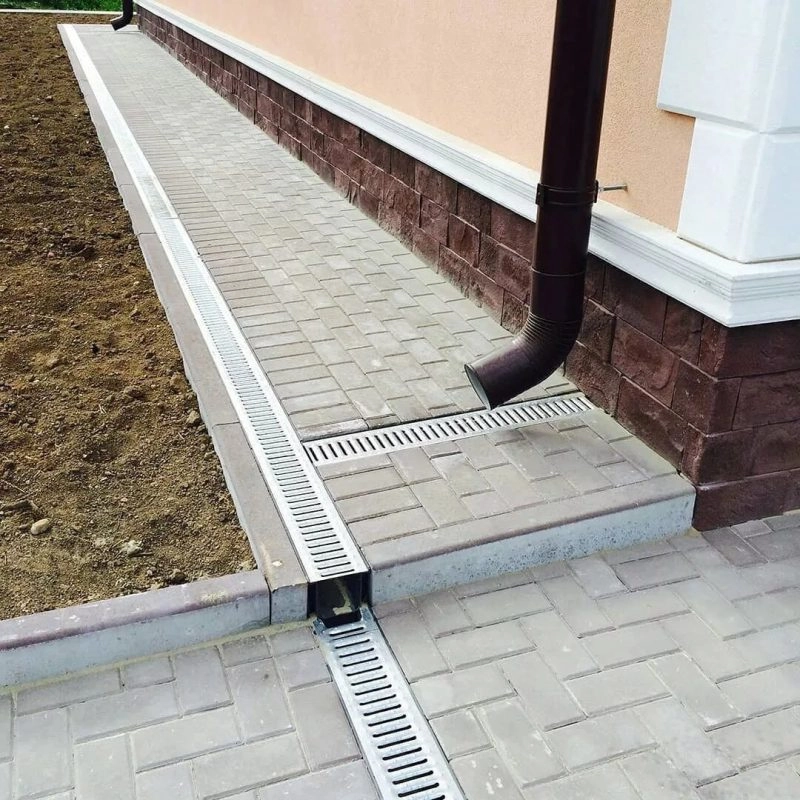
Proper drainage design follows fundamental principles ensuring systems function as intended. Water flows downhill following gravity—systems must provide continuous downward slopes from collection points to discharge areas without low spots where water accumulates. Pipe sizing must handle expected water volumes during peak flow conditions, inadequate capacity causes backups and overflow defeating drainage purposes. Drainage systems need proper outlets—systems must discharge somewhere, whether property edges, storm sewers, rain gardens, or dry wells providing water absorption.
Design considers future maintenance requirements—cleanouts provide access for clearing blockages, systems avoid areas where tree roots will infiltrate pipes, and components remain accessible without excavating entire yards. We design drainage solutions that work with your property’s natural features rather than fighting them, utilizing existing slopes and terrain features while creating minimal disruption to established landscapes. This engineering approach ensures systems function reliably rather than requiring constant adjustments or failing to perform adequately during the heavy rain events when drainage matters most.
Installation Methods and Quality Standards
Quality installation determines whether designed systems perform as intended or disappoint through shortcuts compromising functionality. Our foundation drain repair and installation follows industry best practices including proper excavation to designed depths and grades, using specified materials rather than substituting inadequate alternatives, and maintaining continuous slopes preventing water accumulation in pipes. We surround pipes with appropriate gravel sizes providing drainage while preventing soil infiltration, install filter fabric preventing fine soil particles from clogging drainage systems, and carefully backfill trenches preventing future settlement.
Installation timing considers weather and soil conditions—working in saturated soils creates compaction problems, while extremely dry conditions make establishing proper grades difficult. We protect existing landscapes during installation, route trenches to minimize disruption, and restore affected areas to original or improved conditions after drainage work completes. Quality control throughout installation ensures every component meets specifications, all connections seal properly preventing leaks, and final grades match design elevations. This attention to installation details separates drainage systems functioning effectively from those plagued by problems from inadequate construction.
Integration with Existing Landscape and Hardscape
Drainage installations must integrate thoughtfully with your existing property improvements rather than destroying established landscapes or damaging hardscape. We route systems avoiding mature trees and valuable plantings when possible, carefully excavate around tree roots when drainage paths require passing near trees, and restore lawn areas to original or better condition after installation. When drainage work affects hardscape like driveways, patios, or walkways, we coordinate removal and replacement ensuring proper reconstruction maintaining or improving original conditions.
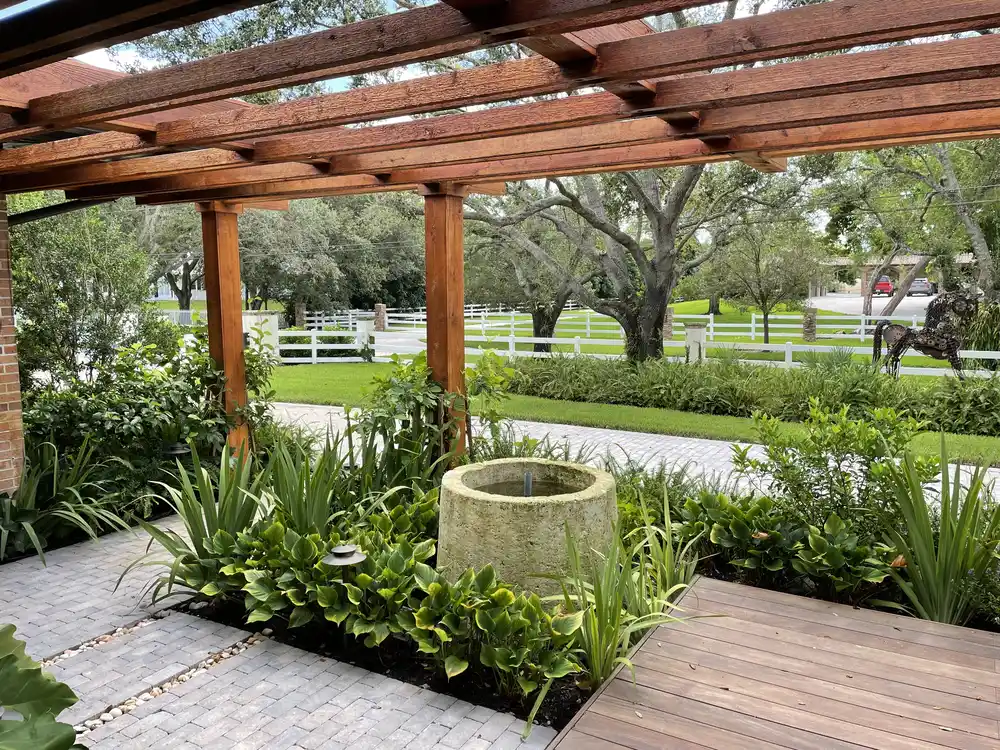
Sometimes drainage solutions create opportunities for landscape improvements—adding rain gardens where drainage discharges, creating attractive swales or dry creek beds incorporating drainage function into landscape design, or using drainage projects as timing for other planned landscape modifications. We work with homeowners and landscape professionals ensuring drainage installations complement overall property design rather than appearing as purely utilitarian additions disrupting established aesthetics. This integrated approach creates drainage systems functioning effectively while enhancing rather than detracting from property appearance and value.
Maintenance and Long-Term Performance
Properly designed and installed drainage systems require minimal maintenance but benefit from periodic attention ensuring continued optimal performance. We provide maintenance guidance including checking systems after major rain events verifying proper function, clearing debris from surface grates and catch basins, flushing drainage pipes periodically removing accumulated sediment, and monitoring discharge areas ensuring they remain functional. Some systems benefit from annual professional inspections identifying potential problems before they cause failures.
Common maintenance issues include roots infiltrating perforated pipes, sediment accumulation reducing pipe capacity, and settling affecting grades causing water ponding. Addressing these issues promptly maintains system effectiveness, while neglecting maintenance allows problems to compound until systems fail requiring expensive repairs. We design systems anticipating maintenance needs with accessible cleanouts and components that allow servicing without major excavation. This long-term thinking ensures your drainage investment continues protecting your property through decades of service rather than requiring premature replacement from neglect or inadequate original design and installation.
Awards & Recognition
Trusted by thousands of clients and recognized by industry leaders for excellence in service and innovation.






What people say about our services

Laura Watts
Reasonable price
Gunite Construction has been our go-to contractor for both small and large projects, from remodeling to building houses. Their exceptional work is highly recommended.
Services: Remodeling, Drywall installation

Matthew Anthony
Great priceGunite Construction handled a rehab on our condo, they made themselves available for an emergency situation handled the work professionally and charged an extremely fair price. Would highly recommend to anyone for construction needs.

Rodrigo Morales
Great price
This company resolved many issues I had after buying my old house, which needed patio repaving and a wall repair. They were very honest and fast with their work. I totally recommend them to anyone who needs a company that truly knows how to do their job well.
Services: Remodeling, Drywall installation

Henry Watkins
Reasonable price
Ran by some of the most hardworking, honest, and trustworthy people. Great company to work with !
Services: Remodeling
Our Advantages
- Clear timeline and deadlines
- Modern equipment and technology
- Transparent pricing with no hidden fees
Frequently Asked Questions
What type of drainage system does my property need?
The appropriate drainage solution depends on your specific water problems, soil conditions, and property layout. Surface water pooling may need regrading and surface drains, while basement moisture often requires French drains at foundation level. High water tables may need comprehensive subsurface systems, while simple problems sometimes resolve with extended downspouts. Our drainage contractors provide free assessments evaluating your situation and recommending appropriate foundation and drainage repair solutions specific to your property's challenges rather than generic approaches.
How long does drainage system installation take?
Installation timeline depends on system complexity and property size. Simple surface drainage or downspout extensions may complete in 1-2 days, while comprehensive French drain systems typically require 3-7 days including excavation, installation, and site restoration. Extensive systems addressing multiple problem areas or requiring significant grading work may need longer. Weather affects scheduling since working in saturated soil creates problems. Our drainage solutions include realistic timelines during planning, with clear communication about any schedule adjustments needed during installation.
Will drainage installation damage my landscaping?
Drainage installation requires trenching that temporarily disturbs affected areas, but we minimize damage and restore landscapes to original or better condition. We route systems avoiding valuable trees and plantings when possible, protect root systems when trenching near trees, and carefully strip and save sod for reinstallation. Most landscape damage is temporary—grass regrows quickly, and any affected plantings are replaced. The long-term benefit of proper drainage often improves landscape health by eliminating the persistent moisture problems that stressed plants and prevented healthy growth.
Where does water from drainage systems go?
Drainage systems discharge water to appropriate locations including property edges where water naturally flows away, storm sewers or municipal drainage systems when available, rain gardens or retention areas designed for water absorption, or dry wells providing underground water storage and infiltration. Discharge locations must accommodate expected water volumes without creating problems. Our foundation drain repair designs include appropriate discharge planning ensuring water diverts properly without simply moving problems to different areas or neighboring properties.
Can drainage systems freeze in winter?
Properly installed subsurface drainage systems positioned below frost depth won't freeze since soil temperature stays above freezing at those depths. Surface components like catch basins may experience some freezing, but shouldn't affect overall system function. We design systems accounting for your climate—deeper installations in cold regions, proper slopes preventing water accumulation in pipes, and appropriate materials withstanding freeze-thaw cycles. Systems functioning properly during installation will continue working through winter, though surface ice may temporarily affect water entry until temperatures moderate.
Do drainage systems require permits?
Permit requirements vary by location and system complexity. Simple drainage improvements often don't require permits, while major systems affecting property grading, connecting to municipal storm sewers, or significantly altering natural drainage patterns may need approvals. Systems discharging to neighboring properties or public rights-of-way often require review ensuring appropriate water management. Our drainage contractors understand local requirements, advising whether your project needs permits and handling applications when required ensuring your drainage solutions meet all applicable regulations.
How do I know if drainage solutions are working?
Effective drainage eliminates the problems prompting installation—basements stay dry during rain, water no longer pools in problem areas, foundation moisture disappears, and previously soggy yard sections become usable. After installation, observe your property during rain events verifying water flows as designed toward discharge areas. Check basement walls for moisture, inspect areas previously having standing water, and ensure discharge areas handle water appropriately. If problems persist, contact your drainage contractor—properly designed systems should resolve issues, and any remaining problems may indicate design adjustments needed or additional water sources requiring attention.
Serving Communities Throughout South Florida
- Cooper City
- Dania Beach
- Davie
- Fort Lauderdale
- Hollywood
- Lauderhill
- Miramar
- Pembroke Pines
- Plantation
- Southwest Ranches
- Sunrise
- Weston
Projects gallery